
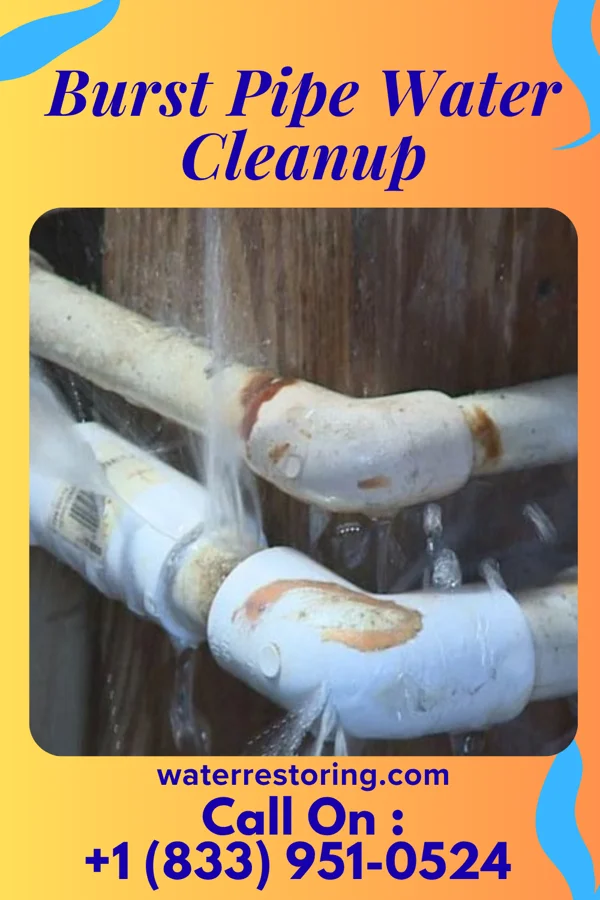
What Makes Holley Prone to Burst Pipes
Living in Holley means dealing with Holley, New York, is located in Orleans County, which experiences cold winters and fluctuating temperatures. These conditions can cause pipes to expand and contract, increasing the risk of bursts, especially in older homes with outdated plumbing systems. The rural nature of the area also means that some properties may lack modern insulation, further contributing to pipe stress. sooner or later. A close second is Holley's proximity to Brockport, Albion, and Churchville means that some homes may be part of shared water systems, increasing the likelihood of localized pressure changes that can lead to pipe failures. Additionally, the area's rural infrastructure may have limited access to immediate repairs, making prompt response critical.. The good news: water damage is fully recoverable when you catch it fast and bring in certified technicians.
Holley's climate, characterized by harsh winters and unpredictable temperature fluctuations, creates a high risk for burst pipes. The combination of cold weather and aging infrastructure in rural areas makes it essential to have a reliable water cleanup service available during these critical times.
Most burst pipe water cleanup calls in Holley come from Holley, New York, is located in Orleans County, which experiences cold winters and fluctuating temperatures. These conditions can cause pipes to expand and contract, increasing the risk of bursts, especially in older homes with outdated plumbing systems. The rural nature of the area also means that some properties may lack modern insulation, further contributing to pipe stress.. Running a close second is Holley's proximity to Brockport, Albion, and Churchville means that some homes may be part of shared water systems, increasing the likelihood of localized pressure changes that can lead to pipe failures. Additionally, the area's rural infrastructure may have limited access to immediate repairs, making prompt response critical.. Local mold risk: Holley's humid summers and cold winters can create ideal conditions for mold growth if water damage is not addressed quickly. The area's climate means that moisture can linger in buildings for extended periods, increasing the risk of mold contamination.
For public guidance on the health effects of mold after prolonged water exposure, see the EPA mold and health page.